
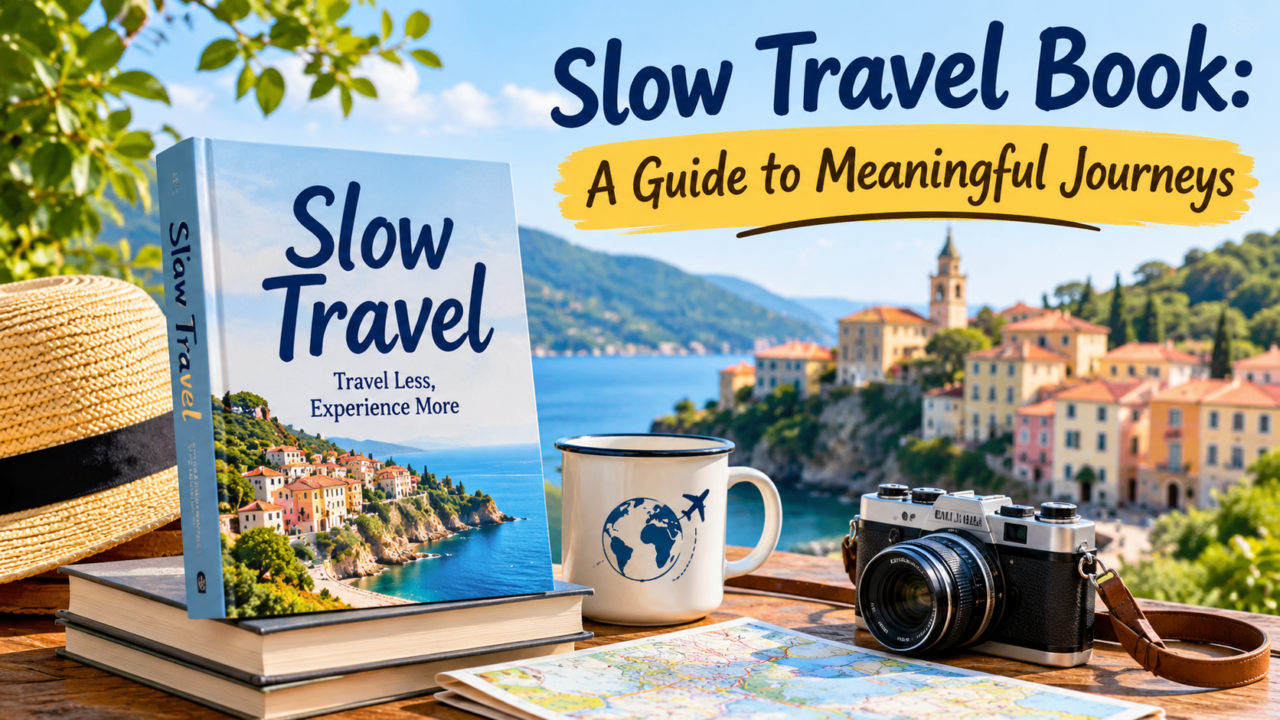
A slow travel book can change the way you think about holidays, destinations and exploring the world. Instead of rushing between famous attractions, slow travel encourages you to spend more time in one place, understand local cultures and enjoy the journey itself. For travellers who want meaningful experiences rather than packed itineraries, reading about slow travel can provide fresh inspiration. These books can introduce new travel ideas, encourage responsible tourism and help readers discover the beauty of travelling at a relaxed pace. Whether you enjoy countryside escapes, scenic train journeys, coastal villages or peaceful holidays in private villas, a good slow travel book can help you plan a more thoughtful adventure.
What Is a Slow Travel Book?
A slow travel book is a travel-focused publication that explores the idea of travelling with greater intention. It may include personal travel stories, destination guides, practical advice, cultural experiences and suggestions for sustainable journeys.
Unlike traditional travel guides that concentrate on visiting as many attractions as possible, slow travel books focus on experiencing destinations more deeply.
Common topics include:
-
Exploring destinations beyond popular tourist attractions.
-
Travelling by train, bicycle, ferry or on foot.
-
Supporting independent restaurants and local businesses.
-
Spending more time in smaller towns and villages.
-
Connecting with local traditions, food and culture.
-
Choosing accommodation that offers comfort and a sense of place.
These books are useful for both experienced travellers and people planning their first relaxed holiday.
What the Evidence Shows
Slow travel is more than a fashionable travel phrase. Academic research connects it with sustainable tourism, local experiences and lower-impact transport choices.
The book Slow Travel and Tourism by Janet Dickinson and Les Lumsdon is a useful starting point for readers interested in the subject. Published in 2010, it explores the relationship between slower journeys, environmental concerns and tourism experiences. Research published in Dos Algarves also highlights the importance of spending time appreciating local communities, history, culture and products. Directory of Open Access Journals . This suggests that slow travel is not simply about moving slowly. It is about making more thoughtful decisions before and during a trip.
The Wider Context: Why Slow Travel Books Matter
Modern holidays often involve tight schedules, crowded attractions and long lists of places to visit. While this approach works for some travellers, others prefer a more relaxed experience. Slow travel books offer an alternative perspective by showing how meaningful holidays can come from smaller experiences.
For example, imagine spending a week in a Spanish coastal village instead of visiting five different cities. You could explore local markets, enjoy traditional meals, walk along the beach and learn about everyday village life.
This approach can also make private villa holidays more rewarding. Staying in one comfortable property gives travellers time to enjoy the surroundings, prepare local food and explore nearby attractions without constantly changing accommodation.
Benefits of Reading Slow Travel Books
1. Better travel planning
You can discover alternative destinations, quieter routes and practical ways to organise relaxed holidays.
2. More meaningful experiences
Travel stories can inspire you to connect with local people, traditions and everyday life.
3. Responsible travel choices
Many slow travel books discuss reducing unnecessary journeys and supporting local communities.
4. Less stressful holidays
A flexible itinerary can leave more room for relaxation, spontaneous discoveries and personal interests.
What Happens Next: How to Start Your Slow Travel Journey
Reading a slow travel book is a good first step, but putting its ideas into practice is where the real experience begins.
Here are five ways to get started:
-
Choose one destination: Pick a town, village or countryside location that interests you.
-
Stay longer: Give yourself enough time to explore without rushing.
-
Explore locally: Visit independent shops, traditional markets and neighbourhood restaurants.
-
Choose comfortable accommodation: Consider a holiday villa, cottage or locally owned guesthouse.
-
Travel thoughtfully: Where practical, consider trains, buses, cycling and walking instead of unnecessary car journeys.
You do not need an expensive holiday or several weeks away to enjoy slow travel. Even a short weekend trip can offer a different experience when you focus on quality rather than quantity.
Frequently Asked Questions
1. What is a slow travel book?
It is a book about travelling more thoughtfully, enjoying local cultures and exploring destinations without following a rushed schedule.
2. Who should read slow travel books?
They are suitable for solo travellers, couples, families, adventure lovers and anyone interested in meaningful holidays.
3. Is slow travel better than traditional tourism?
It can offer deeper cultural experiences and more opportunities to support local communities. The best approach depends on individual preferences and travel circumstances.
4. Can slow travel include luxury villa holidays?
Yes. Staying in a private villa for an extended period can be an excellent way to enjoy local surroundings, privacy and a relaxed holiday.
5. How can beginners practise slow travel?
Start with one destination, plan fewer activities, explore local neighbourhoods and allow enough time to enjoy each experience.
Conclusion
A slow travel book offers more than holiday inspiration. It introduces a thoughtful approach to discovering new places, understanding different cultures and enjoying meaningful experiences. Whether you dream of exploring European villages, travelling through scenic countryside or spending a relaxing week in a private villa, slow travel can help make your next holiday more memorable. Sometimes, the best way to experience the world is simply to give yourself more time.